
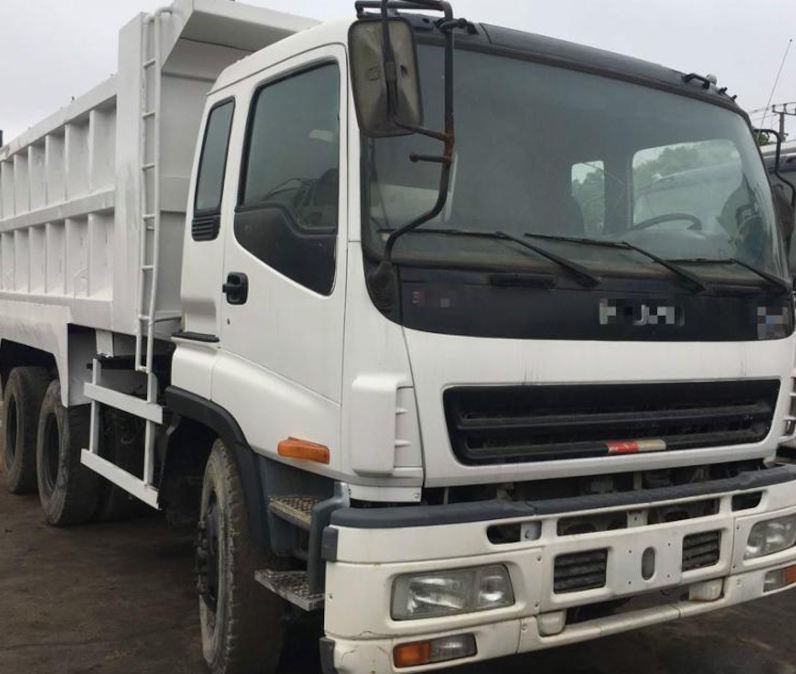
Buying a used Japanese truck — whether a light commercial van, a heavy-duty workhorse, or a 4WD pickup — requires specific due diligence beyond what applies to passenger cars. Japanese trucks like the Toyota Hilux, Mitsubishi Canter, Isuzu D-Max, Nissan Navara, and Toyota Hiace are among the most exported commercial vehicles in the world. In 2026, with global demand for durable work vehicles remaining strong, understanding these 12 key evaluation points will protect your investment and ensure you receive a truck suited to your needs.
1. Confirm the Truck's Intended Use History
Japanese trucks often come from fleet, government, agricultural, or construction backgrounds. Obtain the vehicle's service history and ask your exporter whether the truck was used for light commercial delivery, heavy hauling, or off-road work. Vehicles with documented fleet maintenance records from Japanese companies are generally more reliable than privately-owned trucks with incomplete histories.
2. Check the Chassis and Frame for Rust or Cracks
Truck frames bear significantly more stress than passenger cars. Request detailed underbody photos and specifically look for:
- Surface rust (acceptable if treated) vs. structural rust (reject)
- Weld repairs or reinforcement plates indicating past frame damage
- Cracks near leaf spring mounts, cross-members, or tow hitch points
- Bent or kinked frame rails from overloading or impact
Japanese auction sheets mark frame damage separately. The notation "骨格あり" (kosekku ari) on an auction sheet indicates structural damage — avoid these unless you are an experienced buyer who understands repair costs.
3. Verify the Engine Hours, Not Just Mileage
For diesel trucks especially, engine hours are a more accurate indicator of wear than odometer kilometres. A truck driven 200,000 km at highway speeds may have less engine wear than one driven 100,000 km on construction sites with constant idling. Ask for any available engine hour meter records, particularly for trucks with Isuzu, Mitsubishi Fuso, or Hino diesel engines.
4. Inspect the Differential and 4WD System
4WD trucks are highly sought after for African, Pacific, and Middle Eastern markets. Before purchasing:
- Confirm 4WD engagement works (both 4H and 4L modes)
- Check for differential oil leaks — common on high-mileage trucks
- Verify front axle CV boots are intact (torn boots indicate neglect)
- Ask if the locking differentials (if equipped) have been tested
- Check transfer case for whine or vibration reports on the auction sheet
5. Assess the Payload and Towing Capacity for Your Use Case
Japanese trucks are registered with specific payload ratings. Confirm the truck's rated payload and compare it to your actual use needs:
- Toyota Hilux (double cab): ~1,000 kg payload, 3,500 kg towing
- Isuzu D-Max: ~1,100 kg payload, 3,500 kg towing
- Mitsubishi Canter (light truck): 1,500–3,000 kg payload depending on spec
- Toyota Dyna / Hino Dutro: 2,000–5,000 kg payload
Overloaded trucks show accelerated wear on springs, axles, and brakes. Check the rear leaf spring condition as a practical indicator of load history.
6. Check the Auction Grade and Interior Condition
For work trucks, a Grade 3 or 3.5 exterior may be acceptable (minor dents, scratches from work use), but the mechanical grade should be solid. Pay attention to:
- Cab interior wear — excessive wear indicates high commercial use
- Seat condition: torn or heavily worn seats often indicate high hours of use
- Dashboard warning lights noted on the auction sheet
- Air conditioning function (critical in tropical and arid market destinations)
7. Verify Tyre Condition and Size
Replacing truck tyres is expensive. Check:
- Remaining tread depth on all four tyres (request photos)
- Whether tyres are the correct OEM size for the model (aftermarket sizes may indicate modifications)
- Spare tyre condition and mounting
- Tyre age: Japanese law requires tyre replacement after 5 years regardless of tread — check the DOT date code
8. Confirm Compliance with Your Country's Import Standards
In 2026, import regulations for commercial trucks vary widely:
- Kenya: Trucks must be right-hand drive; age limit of 8 years for most commercial vehicles
- Australia: Strict RAWS (Registered Automotive Workshop Scheme) compliance required for non-standard vehicles
- New Zealand: Border biosecurity inspection mandatory; any soil or organic material triggers quarantine costs
- UAE: GCC spec compliance required; check emission standards for diesel trucks
9. Inspect the Cargo Bed or Body Work
For trucks with factory or aftermarket bodies:
- Check cargo bed floor for rust-through (common on trucks that carried wet loads)
- Verify tailgate opens and closes correctly
- For tippers or flatbeds: inspect hydraulic system for leaks and test the lift mechanism
- For refrigerated trucks: verify refrigeration unit service history and temperature range capability
10. Review the Electrical and Safety Systems
Modern Japanese trucks (2015 and newer) include advanced safety and electrical systems:
- Reverse camera and sensors (verify operation)
- ABS and stability control (check for dashboard warning lights)
- Pre-collision systems on newer models — confirm calibration has not been disrupted by windscreen replacement
- Wiring loom condition — aftermarket accessories can cause electrical issues if poorly installed
11. Understand the Shaken Expiry Date
Japan's Shaken system requires all vehicles to pass periodic inspections. When Shaken expires, the truck cannot legally be driven in Japan. For export buyers, the Shaken expiry is irrelevant to drivability in your destination country, but it does affect Japanese auction pricing:
- Trucks with expired Shaken sell at a discount — good buying opportunity if mechanical condition is confirmed
- Trucks with fresh Shaken are priced higher but come with a guarantee of passing Japan's strict mechanical inspection
12. Calculate the Total Landed Cost Before Committing
The FOB Japan price is only one component. For trucks, budget for:
- Ocean freight: USD 800–2,000 depending on destination and vessel type
- Marine insurance: 1.5–2% of vehicle value
- Import duty: 0–35% depending on country and vehicle category
- Port handling and customs clearance: USD 300–800
- Local registration and roadworthy inspection fees
Bottom Line
A used Japanese truck is one of the most durable and cost-effective commercial vehicle investments available in 2026. Toyota Hilux, Isuzu D-Max, and Mitsubishi Canter units exported from Japan consistently outperform locally-sourced alternatives in reliability ratings across Africa, the Pacific, and the Middle East. Apply these 12 checkpoints systematically, insist on Grade 3.5 or above for export trucks, and work with a JUMVEA-registered exporter who can provide detailed inspection photos and translated auction sheets.
- Top picks for export in 2026: Toyota Hilux, Isuzu D-Max, Toyota Dyna, Mitsubishi Canter
- Minimum recommended grade: 3.5 for commercial trucks, 4 for passenger-use pickups
- Always verify 4WD engagement and differential condition before purchase