
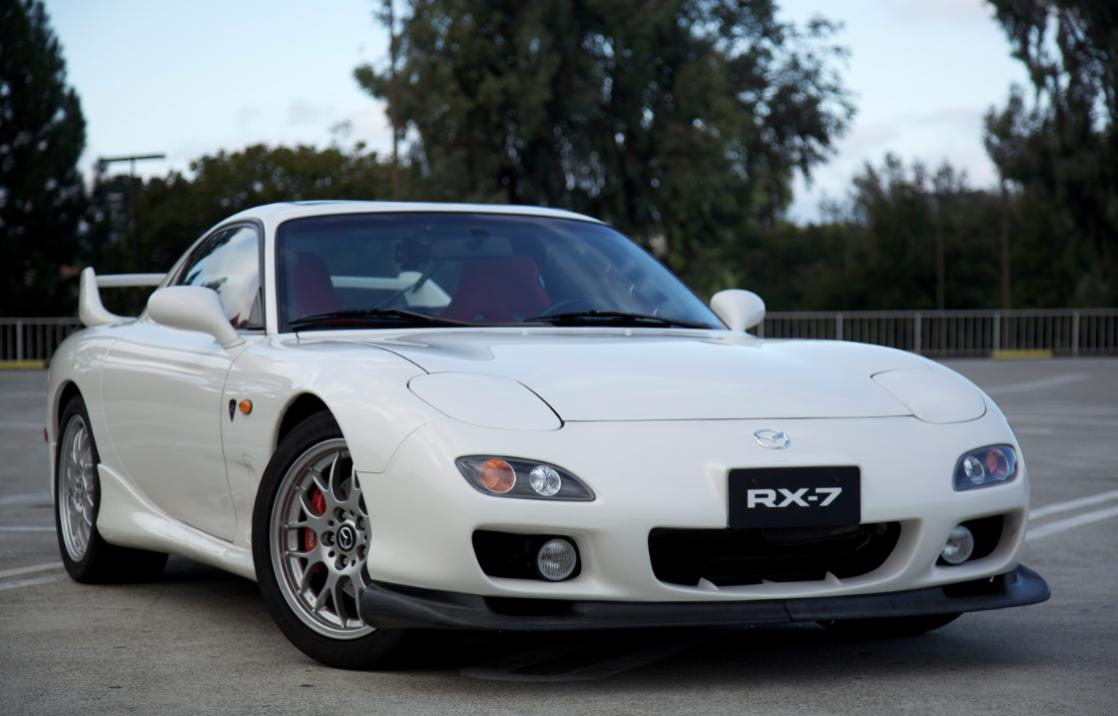
Mazda RX-7 FD Review: The Rotary Sports Car That Defines an Era
The Mazda RX-7 FD (1992-2002) is one of the most celebrated sports cars ever produced in Japan. Third-generation RX-7, known internally as the FD3S, combined a twin-turbocharged 13B-REW rotary engine with a near-perfect 50:50 weight distribution, a lightweight body weighing just 1,260 kg, and sophisticated double-wishbone suspension at all four corners. Decades after production ended, the FD RX-7 remains a benchmark for driver-focused sports car design and is one of the most desirable used JDM vehicles in the global market.
Engine: The Twin-Turbo Rotary
The 13B-REW is a 1.3-litre twin-rotor Wankel rotary engine producing 255 hp (276 PS) in JDM specification — conservatively rated under Japan's gentlemen's agreement at the time. Real-world output is closer to 280-290 hp in stock form. The sequential twin-turbo system uses a smaller primary turbo for low-rpm response and a larger secondary for high-rpm power, delivering a distinctive power band that rewards revving. The engine revs freely to 8,000 rpm and beyond, producing an unmistakable high-pitched intake note.
Chassis and Handling
The FD's chassis is widely regarded as one of the finest of the 1990s. The double-wishbone suspension at all four corners, combined with the low-slung rotary engine placed behind the front axle centerline, produces handling balance that engineers still reference today. Steering is communicative and precise. The FD is not a forgiving car for novice drivers — its rear-wheel-drive balance and high power-to-weight ratio demand respect — but skilled drivers consistently rank it among the most rewarding cars to push hard.
Used Market Value and Condition (2026)
FD RX-7 values have appreciated significantly through 2020-2026. As of 2026:
Restored/low-mileage examples (under 60,000 km, grade 4+): 3,500,000-6,000,000 yen (USD 23,000-40,000) at Japanese auction
Good condition mid-mileage (80,000-120,000 km, grade 3.5-4): 1,800,000-3,200,000 yen (USD 12,000-21,000)
Project cars and high-mileage: 800,000-1,500,000 yen (USD 5,300-10,000)
The market has moved substantially upward and shows no sign of reversal. Early production 1992-1993 examples in Type R specification command the highest premiums.
Common Issues to Watch When Buying
The RX-7's rotary engine is sensitive and requires knowledgeable maintenance. Key issues:
Apex seal wear: The rotary's apex seals degrade with heat cycling. A compression test using a rotary-specific tester is essential before purchase. Below 8 kg/cm2 per rotor indicates significant wear.
Coolant leaks: Water entering the rotor housing causes catastrophic failure. Check for white exhaust smoke and inspect coolant history.
Flooding: Rotary engines flood easily with fuel if started and immediately shut off without a warm-up cycle. Check for oil fouling.
Turbo condition: Primary turbo shaft play should be minimal. Inspect for oil leaks at the turbo outlet.
Previous engine rebuilds: Many FDs have had engine rebuilds — quality varies. Request rebuild documentation.
Is the RX-7 FD a Good Used Buy in 2026?
For buyers who understand the rotary's requirements — apex seals, meticulous warming up, regular oil top-ups — the FD is a spectacular used car. It offers sports car performance and feel at a fraction of the cost of comparable Italian or German alternatives. The engine rebuild cost (approximately 400,000-700,000 yen from a specialist) is a known quantity and should be factored into any purchase under 1,500,000 yen. As collector values continue rising, a well-maintained FD is also a credible appreciating asset.
Key Facts
Production: 1992-2002 (FD3S)
Engine: 13B-REW twin-turbo rotary, 255 hp JDM spec
Weight: 1,260 kg
Auction price (2026): USD 12,000-40,000 depending on condition
Reliability: Excellent if properly maintained; demanding engine care required
Verdict: One of the greatest Japanese sports cars ever built — a strong buy for informed enthusiasts