
By Toda Namiki, Editor, Japanese Auto World
A used kei truck is a small, cheap-to-run work vehicle, and it is also a small machine that suits some jobs and fails others. Check the payload rating, the frame, the four-wheel-drive system and the import rules before you spend money. A first-time buyer who skips those checks usually learns about them from a repair bill.
Key facts
- Kei trucks are built to Japan's kei class, which sets their size and engine limits. Confirm the current figures with Japan's Ministry of Land, Infrastructure, Transport and Tourism (MLIT) before you rely on any number, including those in listings.
- The rated payload of a kei truck is small compared with a light commercial truck. Read it from the manufacturer's label.
- Import rules depend on your country. Check them before you pay a deposit.
What is a kei truck good for?
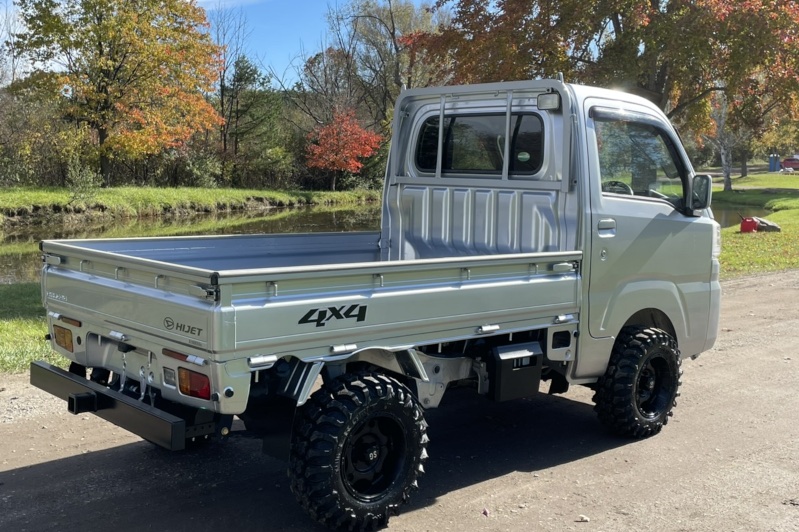
Kei trucks suit short routes, small loads and tight sites, such as nurseries, small trades, market stalls and light deliveries in dense areas. They are a poor choice for heavy loads, long highway runs at full load, or any work that needs a large body.
How much payload can a kei truck carry?
Payload is the rated load the manufacturer allows on top of the truck's own weight. Read it from the label on the truck, not from the listing. Load within the rating, and remember that a load close to the limit every day wears the springs, axles and brakes faster. For the general method, see the guide to choosing a truck engine size.
What should you check on the frame and four-wheel drive?
Check the frame and cross members for rust and welded repairs, because kei trucks often work in wet and salty conditions in some regions. On a 4WD, confirm that the four-wheel-drive system engages and disengages, and check for noise and leaks from the transfer case and axles. Use the used truck buying checklist for the full inspection order.
What does the import process add to the cost?
Add export fees, freight, insurance, import duties and taxes, port charges, inland transport and any compliance work. Get a written quote for each item and compare the total landed cost, not the listing price. Confirm the age, safety and emissions rules for your country with its customs and transport authorities.
What does a first year of ownership cost?
Budget for the first service, tyres, brakes and fluids, plus registration and insurance where you live. Keep a service record from the first day. The used truck maintenance guide sets out the first checks.
How does a kei truck compare with a larger truck?
A kei truck costs less to buy and run, but it carries less and works harder under load. If your regular work needs a large payload or a heavy body, choose a larger truck. The kei trucks explained guide covers the category in more detail.
Frequently asked questions
Is a kei truck a good first truck?
It can be, for light, short work with small loads. For heavier work, a larger truck is the better first purchase.
Where do I find the payload figure?
On the manufacturer's label on the truck. Do not rely on a figure in a listing without checking it against the label.
Are kei trucks legal to import everywhere?
No. Import rules depend on the country and can change. Check your country's rules with its customs and transport authorities before you buy.
Verdict
A used kei truck is a sound first purchase for light, short work, provided you check the payload, the frame and the import costs. For heavier work, look at a larger truck. The first-time truck buyer guide covers the general steps.